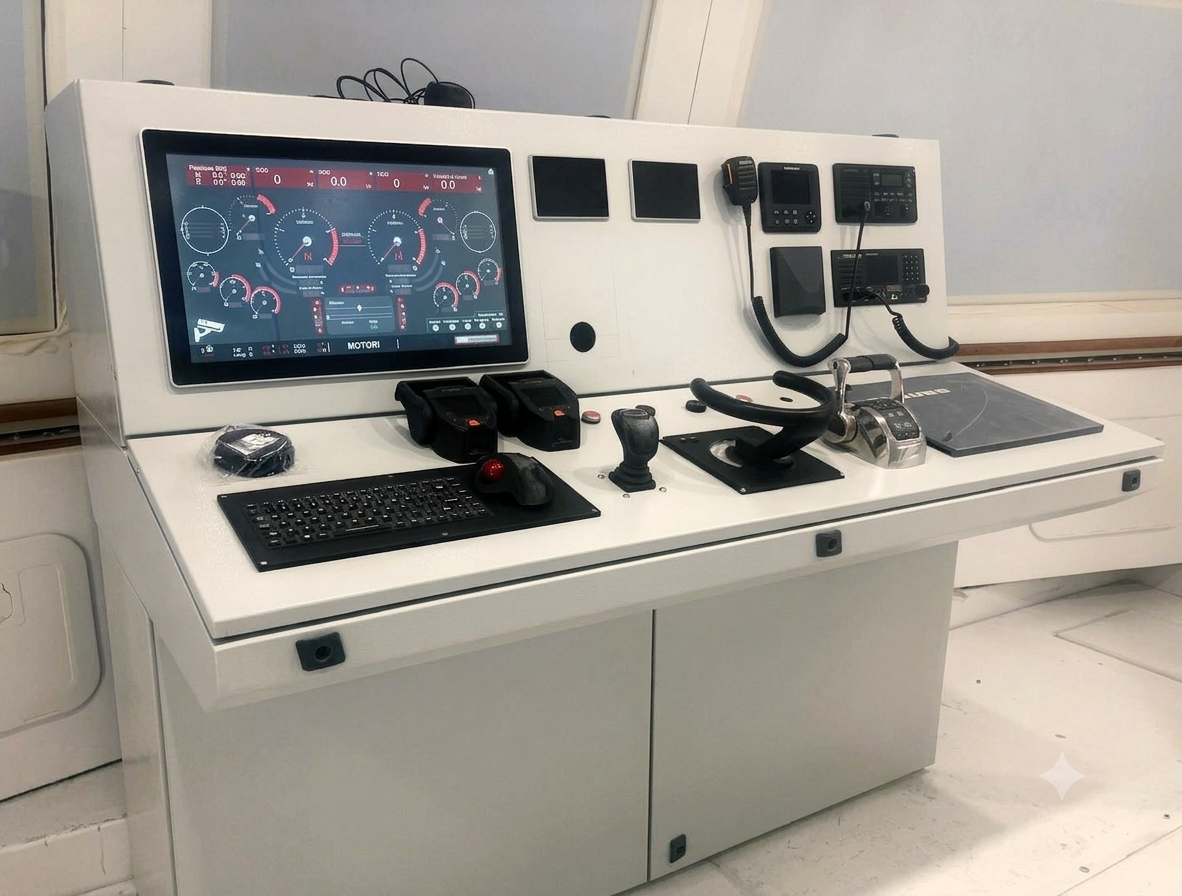
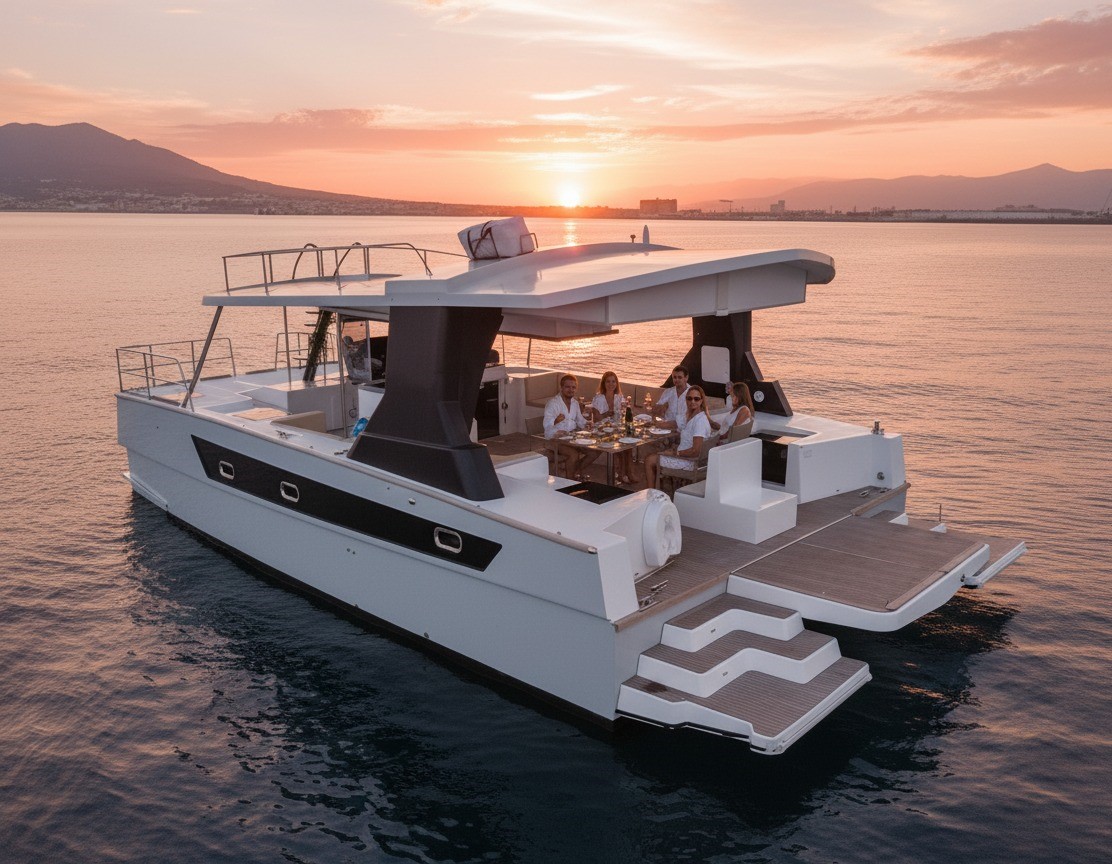
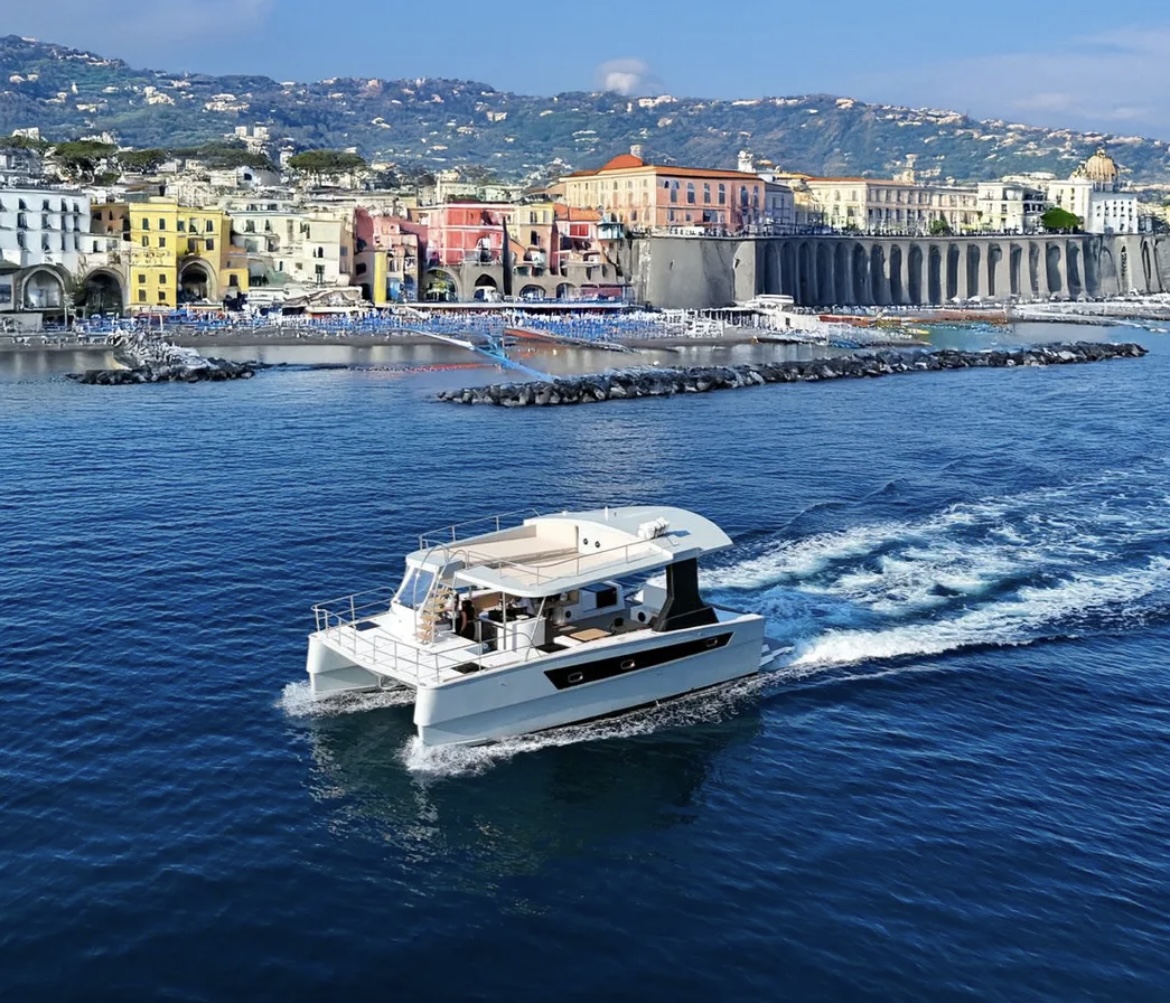
In the shipbuilding industry, safety and reliability are essential, especially about catamarans designed for passenger transport. The Italian Naval Register (RINA) plays a central role in this field, defining technical rules, construction standards, and certification criteria that ensure high levels of quality and safety.
In this article, we explore the main RINA provisions that apply to the construction of passenger catamarans, explaining clearly and accessibly what these requirements involve, why they are important, and how they guide the work of manufacturers like SEABUS, a company specializing in innovative maritime transport solutions.
What RINA Rules Are and Why They Matter
RINA provides a comprehensive set of technical regulations and publications governing the construction, classification, and certification of vessels, including those intended for passenger transport. The RINA Rules are recognized internationally and cover structural, design, and operational requirements, offering shipyards detailed guidelines on safety, structural integrity, and approved construction technologies.
These rules also include specific regulations relating to certification processes and the general conditions for inspection and control activities, which are essential in ensuring every vessel complies with high standards.
When Passenger Catamarans Require RINA Certification
For passenger vessels, RINA certification is often mandatory. It ensures that the ship complies with national and international safety standards.
According to current regulations, RINA certification is required in the following cases:
- Commercial vessels under 24 meters that cannot operate solely under CE marking.
- Vessels over 24 meters, regardless of navigation area.
- Passenger vessels that cannot rely exclusively on European standards and must comply with stricter commercial navigation rules.
RINA certification involves rigorous inspections covering construction, stability, compartmentalization, safety systems, propulsion systems, and structural performance, ensuring vessels meet high-quality standards recognized by maritime authorities worldwide.
Key RINA Technical Requirements for Catamaran Construction
RINA regulations include a wide range of requirements, but for passenger catamarans, several categories are particularly relevant.
1. Structural Requirements and Hull Integrity
RINA rules define precise technical standards for structural resistance, including:
- approved materials and minimum thicknesses;
- resistance to dynamic loads and repetitive impacts;
- strength of the cross-structure connecting the twin hulls.
These requirements ensure that the vessel can operate safely even in challenging sea conditions.
RINA guidelines also cover rules on materials and construction standards, constantly updated to reflect the latest technological advancements.
2. Stability and Buoyancy for Passenger Transport
Stability is a critical factor in catamaran design, due to their dual-hull configuration.
RINA requires technical assessments on:
- behavior under lateral winds and wave action;
- ability to remain afloat even if one hull is partially compromised;
- internal compartmentalization to prevent uncontrolled flooding.
3. Fire Safety and Onboard Systems
RINA rules also define strict fire protection requirements, including:
- fire-resistant materials;
- fire-resistant compartmentalization;
- detection and suppression systems;
- emergency escape routes and evacuation procedures.
These measures align with international safety conventions.
4. Propulsion Systems and Mechanical Installations
Standards also apply to:
- engine and propulsion installation;
- vibration and noise reduction;
- fuel consumption and emissions control, following European and international regulations.
They also cover electrical systems, piping, and hydraulic circuits.
CE Marking vs RINA: Differences and Complementarity
European legislation (Directive 2013/53/EU) regulates recreational vessels but is not always applicable to commercial passenger catamarans.
The CE mark applies to vessels up to 24 meters and certifies compliance with essential requirements such as stability, noise levels, and general safety. However, it is not sufficient for commercial passenger vessels or for many international routes.
For this reason, RINA certification becomes essential for legal operation in passenger transport.
Additional Regulatory References and Delegations
Italian ministerial regulations confirm RINA’s role as an authorized body for statutory certification and technical control for ships registered in Italy, including those within international convention frameworks.
Furthermore, RINA is officially authorized by the Ministries to perform CE certification where applicable, as outlined in the relevant interministerial decree.
Why Choose a Shipbuilder That Complies with RINA Regulations
Choosing a catamaran built and certified according to RINA standards means investing in:
- maximum operational safety for passengers and crew;
- international compliance with strict regulations;
- enhanced durability of structures and systems;
- long-term value and insurance recognition.
SEABUS integrates all RINA requirements into its design and construction processes, ensuring modern, efficient, and long-lasting vessels.
SEABUS catamarans are built in compliance with the AS9100D / EN 9100:2018 standard, one of the most rigorous quality management systems at an international level. The AS/EN 9100 standard defines stringent requirements for design, development, production, installation, and maintenance, providing a quality assurance model specifically developed for the aerospace and defense industries.
The adoption of this standard in the nautical sector represents a further distinguishing element, confirming the high level of reliability, process control, and attention to detail that characterize every SEABUS vessel.