In recent years, we’ve witnessed a real renaissance in coastal transport. Sea passenger, for tourism and commuting alike, is steadily increasing. How is the maritime industry responding to this growing demand for faster, more comfortable, and versatile vessels?
A sea of opportunities: the boom in passenger traffic
The passenger ferry market is entering a new era of maritime mobility, with significant global growth and a particular intensity in Europe. High-demand routes, especially in the Mediterranean area, are driving this expansion, fueled by a steady flow of tourists and commuters. This trend demands not only larger vessels from operators but true naval platforms capable of combining speed, comfort, and operational flexibility.
Two hulls are better than one: key catamaran advantages
The solution to this design and operational challenge comes from an increasingly dominant naval design: the catamaran. Compared to traditional monohull vessels, multihulls deliver structural advantages that provide a clear competitive edge.
- Stability: The wider beam from twin two hulls ensures superior seaworthiness, minimizing roll and drastically increasing on-board comfort.
- Speed: Their hydrodynamic design achieves higher speeds with lower resistance, optimizing travel times and fuel efficiency.
- Capacity: Catamaran structures allow for broader, more spacious decks, boosting passenger capacity significantly.
- Versatility: The design enables easy adaptation to varied roles and operations with minimal reconfiguration.
It is precisely this synergy between stability—which meets the demand for comfort—speed and efficiency—which satisfy the needs of commuters and operators—and capacity—which absorbs the growing volume of tourists—makes catamarans the superior technological choice.
Not just ferries: versatility in action
The true strength of these vessels lies in their multi-role capability. They are not designed for a single purpose, but can be configured to meet various market needs, ensuring a quicker return on investment. This operational flexibility allows them to address a wide range of requirements, as demonstrated by some typical use scenarios:
- Fast port shuttles: For quick and efficient connections within port areas or between nearby coastal locations.
- Island–mainland connections: Ideal for providing fast and reliable regular routes, essential for the connectivity of island communities and tourism.
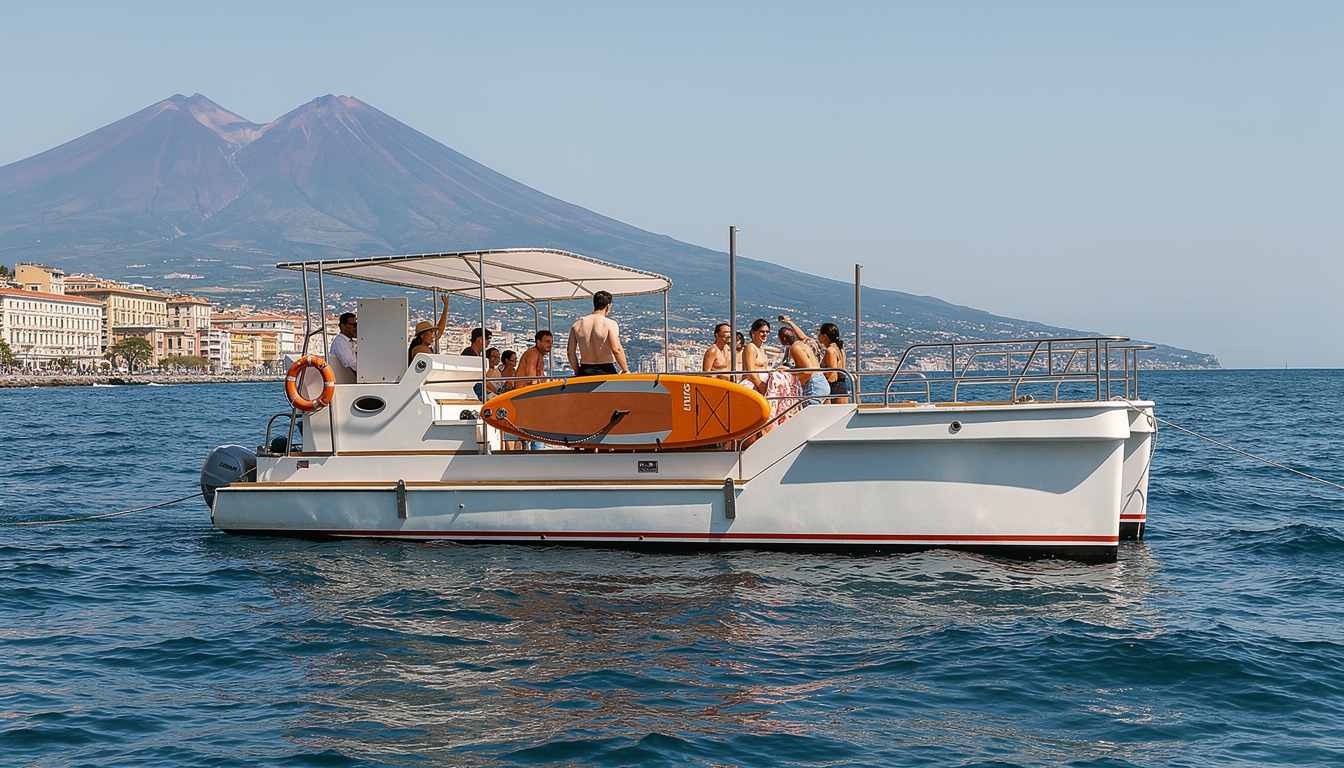
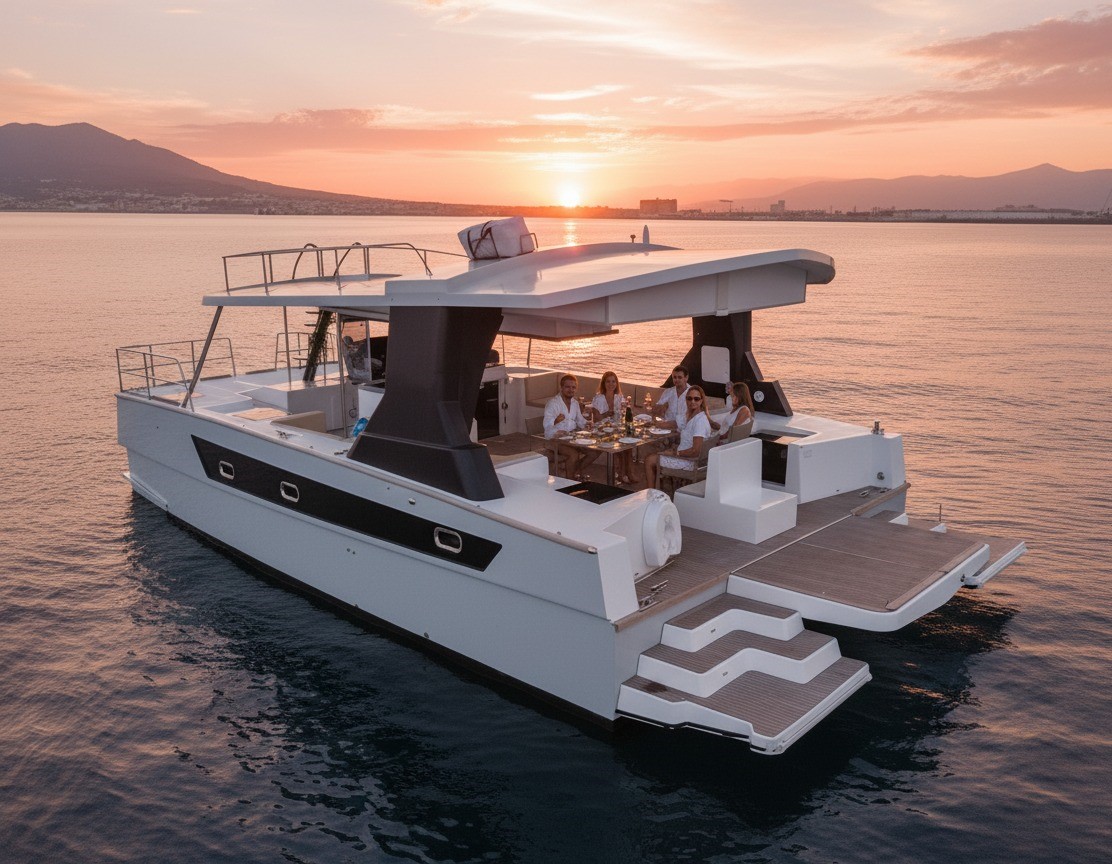
- Day cruises: Perfect for sightseeing excursions and day cruises, offering comfort, stability, and ample panoramic spaces for passengers.